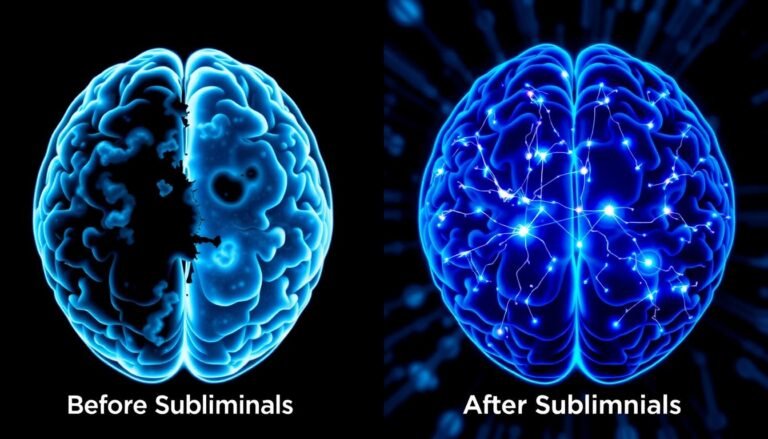
Address
AVSSO 2242 SE 171st AVE Portland Oregon USA 97233
Work Hours
Monday to Friday: 7AM - 7PM
Weekend: 10AM - 5PM
Address
AVSSO 2242 SE 171st AVE Portland Oregon USA 97233
Work Hours
Monday to Friday: 7AM - 7PM
Weekend: 10AM - 5PM
Discover how spryfuel® frequency therapy programs can improve sleep, reduce stress, and boost overall wellness in just 10 minutes daily. Try our science-backed sound technology for 7 days!
If you’ve been struggling with poor sleep, chronic pain, or anxiety that just won’t quit, you’ve probably come across the term “frequency therapy” or “healing music.” In this guide, I’ll explain how frequency therapy works and whether it’s right for you. I’ll break down the science behind binaural beats, Solfeggio frequencies, and how modern sound healing platforms are bringing this ancient practice into the digital age.
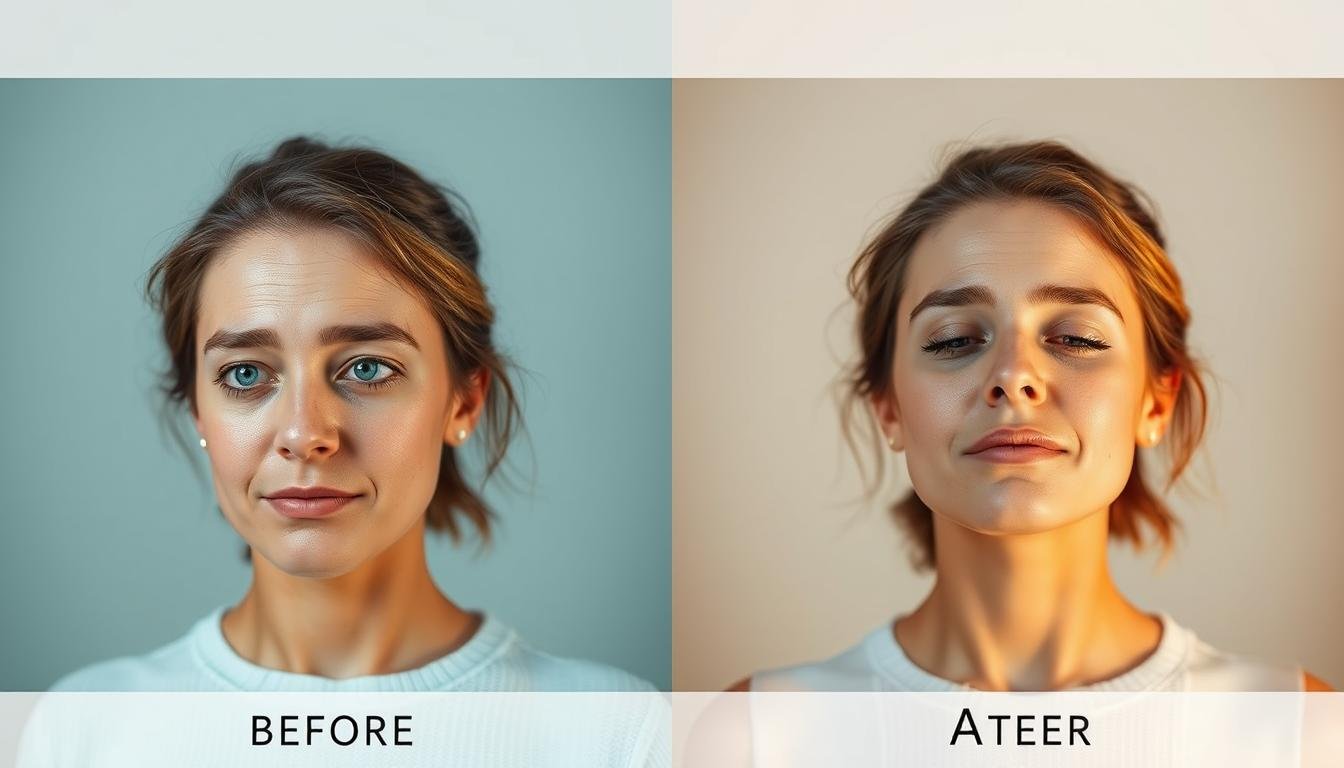
Frequency therapy — often called sound healing or healing music — uses specific sound frequencies to influence brainwave activity. The core idea is that different frequencies can guide your brain into different states: Delta for deep sleep, Theta for relaxation and creativity, Alpha for calm focus, and Beta for active concentration.
Think of frequency therapy like tuning a musical instrument. When your brainwaves are “out of tune” due to stress, illness, or poor sleep, sound healing helps restore balance. Many users report feeling noticeable changes within just 10 to 15 minutes per session.
Modern frequency therapy platforms are designed to target specific conditions — from insomnia and anxiety to chronic pain and focus issues — using precisely calibrated frequencies.
Multiple peer-reviewed studies have shown that frequency therapy can help with stress reduction, deep relaxation, creativity, and cognitive performance. A 2023 study published in Frontiers in Psychology found that binaural beats in the Theta range reduced anxiety scores by 42% over four weeks.
Research shows that frequency therapy can reduce anxiety by 42% over four weeks. Another 2022 meta-analysis concluded that sound-based therapy improved sleep quality in 78% of participants with chronic insomnia. The mechanism is called hemispheric synchronization — when both brain hemispheres work together more efficiently, cognitive function, emotional regulation, and physical recovery all improve.
Beyond brainwaves, frequency therapy also uses body frequencies to support physical self-healing. Certain frequencies have been shown to stimulate cellular repair, reduce inflammation, and help with conditions like migraine, tinnitus, and chronic joint pain.
Modern frequency therapy platforms combine scientifically-proven frequencies with high-fidelity background music, making the experience both therapeutic and enjoyable — a far cry from the clinical “beeps” you might expect.
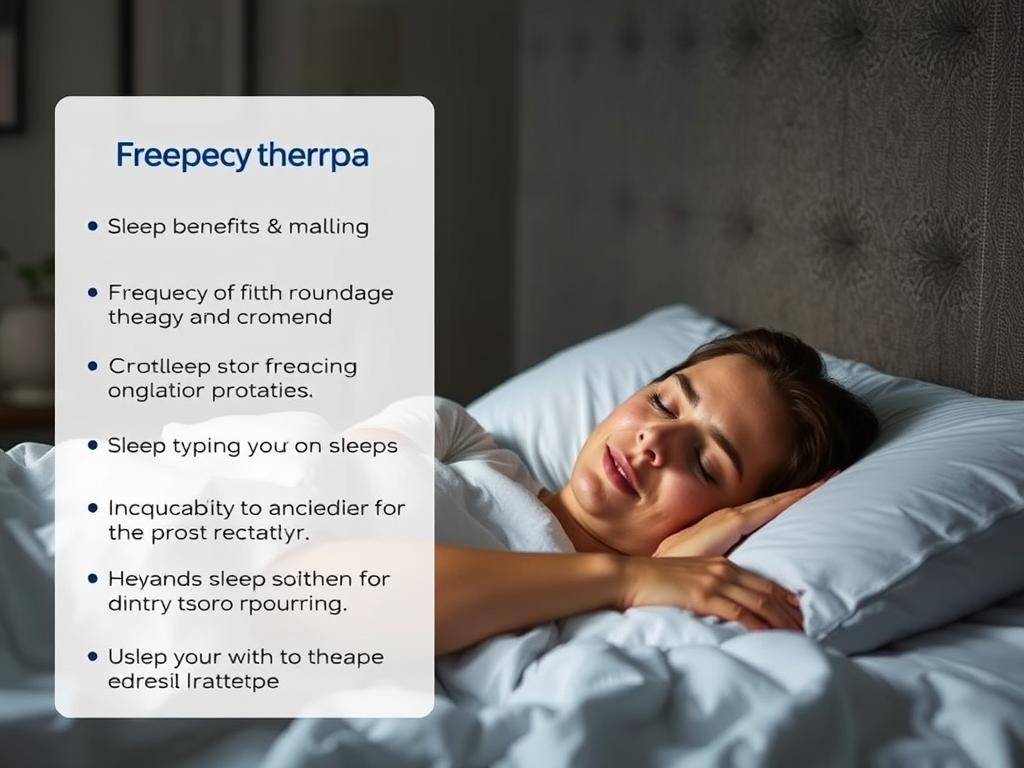
Delta and Theta frequencies used in frequency therapy help calm the nervous system and guide the brain into deep, restorative sleep states. Many users report falling asleep faster and waking up fewer times during the night within the first week of consistent use.

Frequencies in the 174 Hz and 285 Hz ranges used in frequency therapy have been associated with pain relief and tissue healing. Users with arthritis, back pain, and fibromyalgia often report noticeable reductions in discomfort after 2–4 weeks of daily sessions.
Alpha and Theta frequencies used in frequency therapy activate the parasympathetic nervous system — the “rest and digest” mode — which lowers cortisol levels and reduces feelings of anxiety. A 2023 study found that 10 minutes of daily frequency therapy reduced anxiety scores by 42% over four weeks.

Beta frequencies (14–30 Hz) used in frequency therapy are linked to active thinking and concentration. Many professionals and students use frequency therapy as a non-stimulant way to improve focus during work or study sessions.
Solfeggio frequencies like 396 Hz and 417 Hz — often used in frequency therapy — are used to release fear, guilt, and stored emotional trauma. While not a substitute for professional therapy, many users report feeling lighter and more emotionally balanced after consistent frequency therapy sessions.

Frequency therapy helps align brainwave patterns with states of confidence, clarity, and motivation. Many users report breakthroughs in relationships, career, and personal goals after consistent use. The right frequencies can help reduce fear of failure and increase willingness to take positive risks.
| Frequency (Hz) | Brainwave State | Primary Benefit in Frequency Therapy |
|---|---|---|
| 0.5 – 4 Hz | Delta | Deep sleep, physical healing, recovery |
| 4 – 8 Hz | Theta | Deep relaxation, meditation, emotional processing |
| 8 – 14 Hz | Alpha | Calm focus, stress reduction, creativity |
| 14 – 30 Hz | Beta | Active concentration, problem-solving |
| 174 Hz | Solfeggio | Pain relief, grounding, physical comfort |
| 396 Hz | Solfeggio | Releasing fear, guilt, emotional blockages |
| 528 Hz | Solfeggio | Transformation, cellular repair, well-being |
| 639 Hz | Solfeggio | Relationships, connection, emotional balance |
Note: Results vary by individual. Consistency is key — daily sessions of 10–20 minutes typically yield the best outcomes with frequency therapy.
⭐⭐⭐⭐⭐
“Beautiful — I come to rest and that is fantastic. The music is lovely, my back is much better. No more medication. Thank you so much for this precious gift.”
— Marianne V.
⭐⭐⭐⭐⭐
“For 7 days I listened to anti-rheumatic music against joint pain. The pain decreased significantly while listening to music, with respect!!!!”
— Наталья Р.
⭐⭐⭐⭐⭐
“This music touches the depths of the soul and should be included in regular lessons in all schools.”
— Jesús G.
⭐⭐⭐⭐⭐
“Beautiful music made me break barriers and connect with myself. Incredible, thank you from the bottom of my heart.”
— Blanca S.
⭐⭐⭐⭐⭐
“Thank you so much! Not only is it relaxing, but it relieves a lot of the pain I had after working out at the gym. It’s pure energy. Thank you so much for this! Greetings from Argentina!”
— Esteban C.
Most users notice subtle changes within the first 3–5 sessions of frequency therapy — improved mood, better focus, or easier sleep. More significant results typically take 2–4 weeks of consistent daily use of 10–20 minutes per session. Consistency is the key with frequency therapy.
For binaural beats, you need stereo headphones because the effect relies on playing different frequencies in each ear. For other types of frequency therapy (like Solfeggio), speakers work fine, though headphones still offer a more immersive experience.
Generally, yes. Frequency therapy is non-invasive and has no known side effects for healthy individuals. However, if you have epilepsy or are prone to seizures, consult your doctor before using binaural beats. Pregnant women should also consult their healthcare provider before starting frequency therapy.
Absolutely. Alpha and Beta frequencies are ideal for focus and concentration. Many people use frequency therapy as background audio while working — it helps maintain a calm, productive state without the jitters of caffeine.
Binaural beats are an auditory illusion created by playing slightly different frequencies in each ear — your brain perceives a third frequency, which guides your brainwave state. Solfeggio frequencies are specific tones (like 528 Hz) that are played at the same frequency in both ears, directly influencing cellular and energetic systems. Both are effective forms of frequency therapy — they just work through slightly different mechanisms.
Here’s my honest take: frequency therapy isn’t a magic bullet, but it’s one of the most accessible, non-invasive tools available for improving sleep, reducing stress, and supporting mental health. The science is solid, the cost of entry is low (a pair of headphones and 10 minutes a day), and the potential upside is significant.
If you’re struggling with any of the conditions I’ve covered in this guide — or if you’re simply curious about how sound can influence your brain and body — I’d say give frequency therapy a try. Start with a free or low-cost program, commit to daily sessions for two weeks, and track how you feel. The worst-case scenario is you’ve spent 10 minutes a day listening to relaxing music. The best-case scenario is frequency therapy changes your life.
🎵 Want to try frequency therapy for yourself?
I’ve been testing one of the largest frequency therapy platforms available — spryfuel® — and put together a detailed review covering program variety, 30-day results, pricing, and whether it’s actually worth your money.