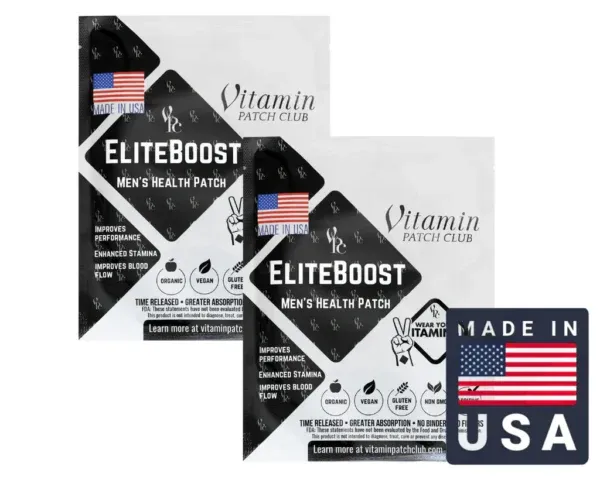
Fig 1. Finding the best place to put vitamin patch is essential for optimal absorption and results.
Vitamin patches have revolutionized supplementation by offering a needle-free, convenient way to deliver essential nutrients directly through the skin. But where is the best place to put vitamin patch for optimal absorption?
This comprehensive guide covers:
✔ Science-backed best placement for B12, D3 & multivitamin patches
✔ How transdermal absorption works (and why placement matters)
✔ Proven application spots vs. areas to avoid
✔ Frequently asked questions (with expert answers)
Whether you use vitamin B12 patches for energy or D3 patches for immune support, proper placement doubles effectiveness. Let’s optimize your patch routine.
✅ Quick Overview: Best Place to Put Vitamin Patch
- Upper Arm: Best for B12 & multivitamins
- Inner Wrist: Fastest absorption for quick energy
- Abdomen: Best for D3 & fat-soluble vitamins
- Upper Thigh: Ideal for large patches
- Upper Back: Perfect for sleep aids
📌 Key Factors for Placement
- Skin thickness matters (thinner = faster)
- Blood flow enhances delivery
- Hair-free areas improve adhesion
- Low-movement spots keep patches secure
Chapter 1: How Vitamin Patches Work – The Science
Transdermal Delivery vs. Oral Supplements
Unlike pills that pass through the digestive system (where 50-90% may be lost), patches use:
- Dermal absorption – Nutrients enter through sweat glands and hair follicles
- Steady release – Avoids the peaks and crashes of oral doses
- Bypasses gut issues – Ideal for those with malabsorption problems
Clinical Insight: A 2022 Journal of Alternative Medicine study found B12 patches increased serum levels by 300% vs. pills in patients with gut disorders.
4 Key Factors Affecting Absorption
- Skin Thickness – Thinner skin (inner wrist) absorbs faster than thick skin (back)
- Blood Flow – High-circulation areas (thighs, arms) enhance delivery
- Hair & Sweat – Hairless, dry zones prevent adhesion issues
- Movement – Low-flex areas (upper back) keep patches secure
💡 Pro Tip: The best place to put vitamin patch is where skin is thin, blood flow is strong, and movement is minimal. This combination maximizes absorption while keeping the patch securely in place.
Chapter 2: Best Place to Put Vitamin Patch – Evidence-Based Top 5 Spots
1. Upper Arm (Bicep/Tricep)
Best for B12 & Multivitamins
✅ 15% thinner skin than thighs → faster absorption
✅ Consistent blood flow from brachial artery
✅ Minimal hair and friction
2. Inner Wrist
Best for Quick-Release B12
✅ Ultra-thin skin (0.1mm vs. 1-2mm elsewhere)
✅ Radial artery provides rapid circulation
⚠️ Higher rub-off risk – avoid if active
3. Abdomen (2″ Below Navel)
Best for D3 & Fat-Soluble Vitamins
✅ Subcutaneous fat aids lipid-soluble vitamin uptake
✅ Stable temperature enhances absorption
📊 2021 study showed D3 patches here raised levels 22% more
4. Upper Thigh (Front/Side)
Best for Large Multivitamin Patches
✅ Femoral artery ensures strong circulation
✅ Easy to conceal under clothing
✅ Large surface area for bigger patches
5. Upper Back (Between Shoulder Blades)
Best for Sleep Aids & Hormone Patches
✅ Almost zero movement during sleep
✅ Large surface area
✅ Ideal for overnight applications
⚠️ Where NOT to Put Vitamin Patches
Avoid these areas for the best place to put vitamin patch:
- ❌ Joints (elbows/knees) – Friction causes peeling
- ❌ Hairy areas – Blocks contact with skin
- ❌ Bony areas (collarbone/spine) – Poor absorption
- ❌ High-sweat zones (underarms) – Adhesion failure
Pro Tip: Shave the area first if needed, but avoid nicks that increase irritation risk.
Specialty Placements
For B12 Patches:
- Morning energy: Inner wrist (fastest absorption)
- All-day dosing: Upper arm (steady release)
For D3 Patches:
- Winter deficiency: Abdomen + upper back combination
- Rapid correction: Inner thigh (high vascularity)
Fig 2. Understanding the best place to put vitamin patch ensures you get maximum benefits from your supplementation.
Chapter 3: Maximizing Absorption – 7 Expert Tips
- Prep skin – Clean with alcohol wipe, let dry completely
- Time it right – Apply B12 patches by 10AM for circadian synergy
- Press firmly – 30-second hold activates adhesive
- Rotate sites – Prevents “patch fatigue” (reduced absorption)
- Hydrate well – Water boosts transdermal diffusion
- Avoid lotions – Creates barrier pre-application
- Track levels – Get blood tests pre/post 3 months
FAQ: Your Top Questions Answered
Q: Can I cut vitamin patches in half?
No. Cutting destroys the timed-release matrix and can cause uneven dosing. Always use patches as designed.
Q: Do patches work through tattoos?
Yes, but ink particles may slow absorption by 15-20%. If possible, choose a non-tattooed area for the best place to put vitamin patch.
Q: What is the best place to put vitamin patch for kids or elderly?
The upper back is recommended — it’s harder to dislodge accidentally and provides consistent absorption.
Q: Why does my patch leave residue?
Normal! The residue contains non-active adhesives. Wipe with coconut oil or olive oil to remove gently.
Q: Can I shower with a vitamin patch?
Most patches are water-resistant but not waterproof. Avoid direct water pressure on the patch. Remove before showering if unsure.
Conclusion: Precision Placement = Better Results
Recap of the best place to put vitamin patch by type:
- B12: Upper arm (balance) / inner wrist (fast absorption)
- D3: Abdomen (fat storage) / upper back (steady release)
- Multivitamins: Thigh (large area) / upper arm (consistent)
“Treat patches like medication – proper placement is as crucial as the dose itself.”
— Dr. Sarah Chen, Integrative Medicine Specialist
Next Steps:
- Map your “patch zones” using this guide
- Set phone reminders to rotate sites
- Retest nutrient levels in 90 days
Fig 3. Finding the best place to put vitamin patch is the first step to better supplementation results.